
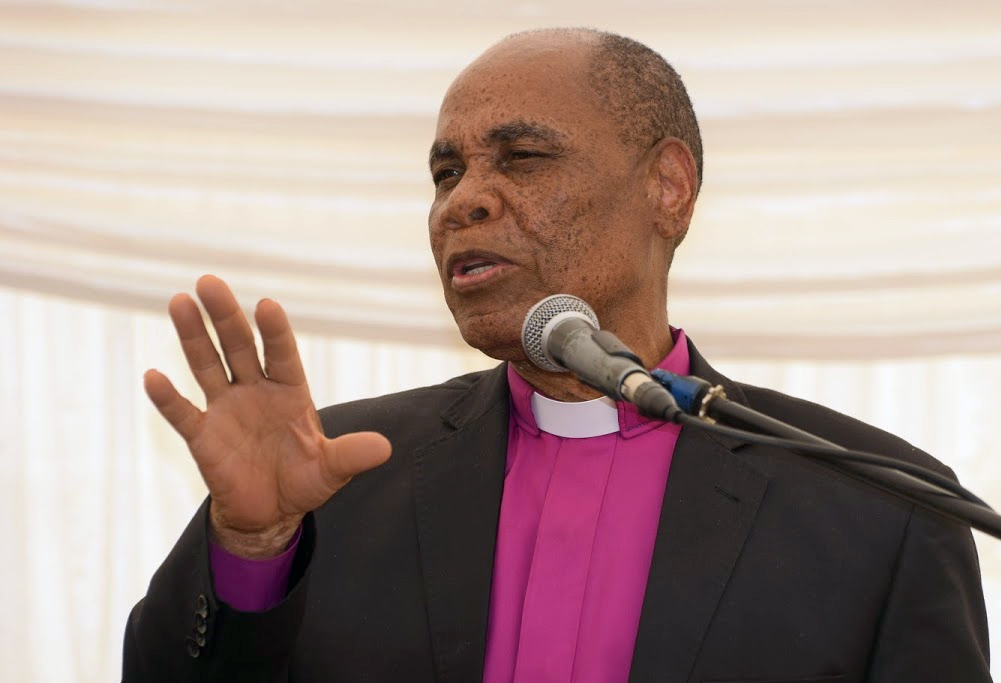
New episcopal areas, new central conference boundaries and various ways of increasing the central conferences’ capacities were all part of the initial discussion about where to add bishops in Africa.
In 2016, General Conference — The United Methodist Church’s top policy-making body — decided to increase the number of bishops in Africa from 13 to 18. The Comprehensive Africa Task Force organized the Aug. 31-Sept. 2 meeting to begin considering the best ways to fulfill that directive.
The Rev. Amy Lippoldt, secretary for the task force, said the 45 participants— including task force members and active bishops who attended the meeting — are clearer on the complexity of the mandate.
“There has been some learning,” she said. “Maybe some people came with slightly different ideas of what was going to happen, and maybe we started the conversation from a different place than they thought we would. But everyone is on board now.
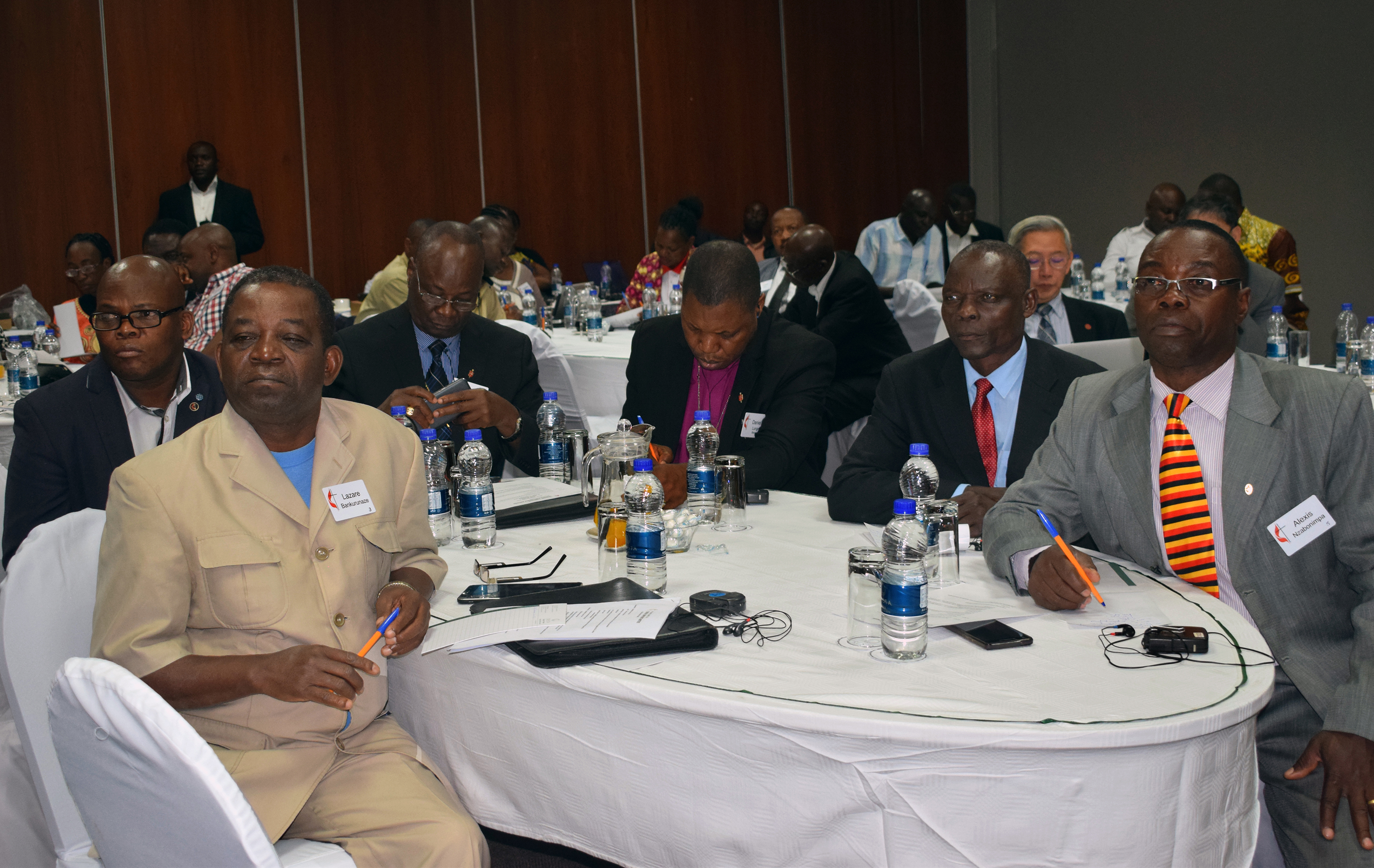
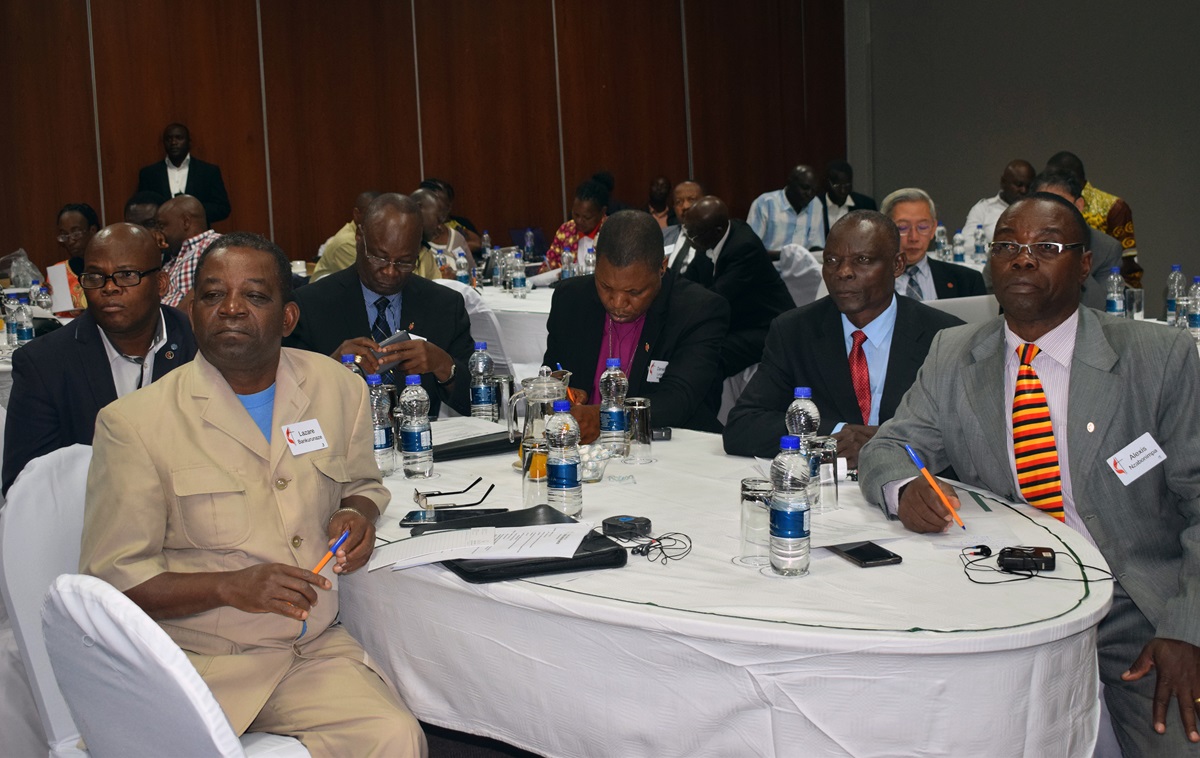
Participants of an initial meeting about the implementation of the 2016 General Conference decision to increase the number of bishops in Africa from 13 to 18, listen to discussions in Harare, Zimbabwe. Photo by Eveline Chikwanah, UMNS.
“I am looking forward to seeing how the Holy Spirit works in the hearts and minds of the people between now and the next meeting scheduled for August 2018 in Sierra Leone,” Lippoldt added. “We have gotten a lot of information and now we have a whole year to pray, research and talk and it will be interesting to see how God will inspire people over the course of the year.”
Ohio West Area Bishop Gregory V. Palmer said the Harare meeting was three days of intense conversation.
“We do not yet know where the five new bishops will be assigned,” he said. “We have gathered lots of data, which we will use to generate creative thinking. The conclusion regarding placement of new bishops will happen in about 18 months, and it is the decision of General Conference, based on the recommendation of the Standing Committee on Central Conference Matters.”
Zimbabwe Area Bishop Eben K. Nhiwatiwa, said the conversation in Harare was quite healthy and deep.
“The discussions were comprehensive because we did not just focus on one area, but looked at the total picture of our central conferences and episcopal areas,” Nhiwatiwa said.
“The church’s mission is one, and it is comprehensive. We tried to make proposals from our different contexts but maintained the comprehensive nature of the mission of the church.”
Nhiwatiwa was part of a discussion group of bishops who agreed the allocation of the proposed five bishops does not necessarily have to be tied to the creation of central conferences.
The Comprehensive Africa Task Force is the result of the 2016 General Conference approval for the Standing Committee on Central Conference Matters to plan, organize and implement a collaborative comprehensive plan on numbers and boundaries of central conferences and episcopal areas in Africa. As an integral part of this plan, Africa will have five additional residential bishops after the 2020 General Conference.
The comprehensive plan includes two meetings of representatives from Africa, composed of one delegate from each annual and provisional annual conference, elected by their central conference, and all active African bishops with the participation of 10 members of the Standing Committee who are not from Africa.
Chikwanah is a communicator of the Zimbabwe East Annual Conference. News media contact: Vicki Brown, news editor, newsdesk@umcom.org or 615-742-5470.
To read more United Methodist news, subscribe to the free Daily or Weekly Digests.
Like what you're reading? Support the ministry of UM News! Your support ensures the latest denominational news, dynamic stories and informative articles will continue to connect our global community. Make a tax-deductible donation at ResourceUMC.org/GiveUMCom.